
Insurance
Looking after the people you'd leave behind.
Nobody enjoys this conversation. It's also the one your family would most want you to have had.
Get started
Work out what your family would actually need.
A short conversation is all it takes to size this properly. No pressure, no medical to book, just a straight answer.
No cost. No pressure. No obligation.
Free first conversation. No obligation. You'll speak with a licensed adviser, not a call centre.
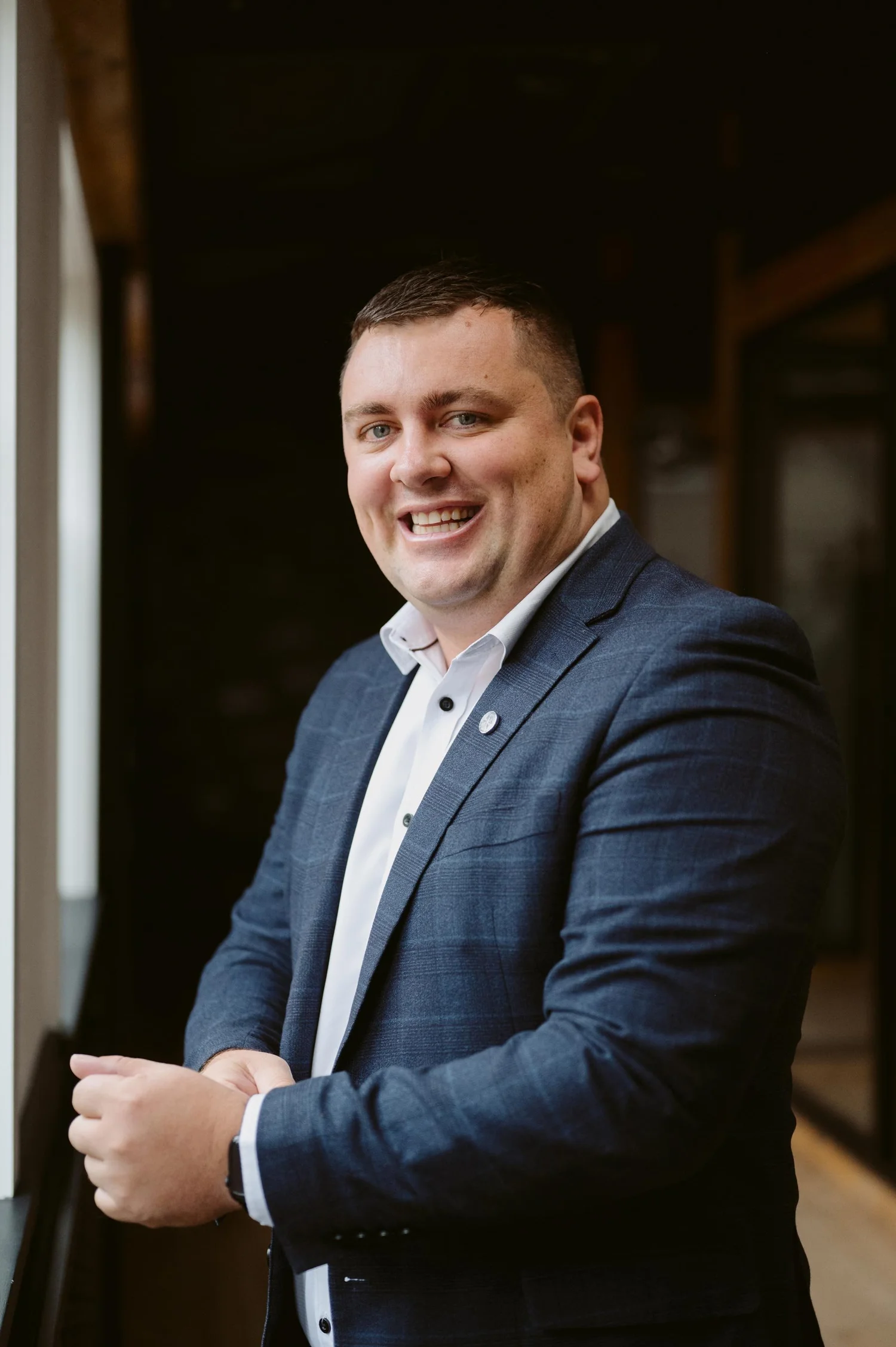
 Alex Nicholson
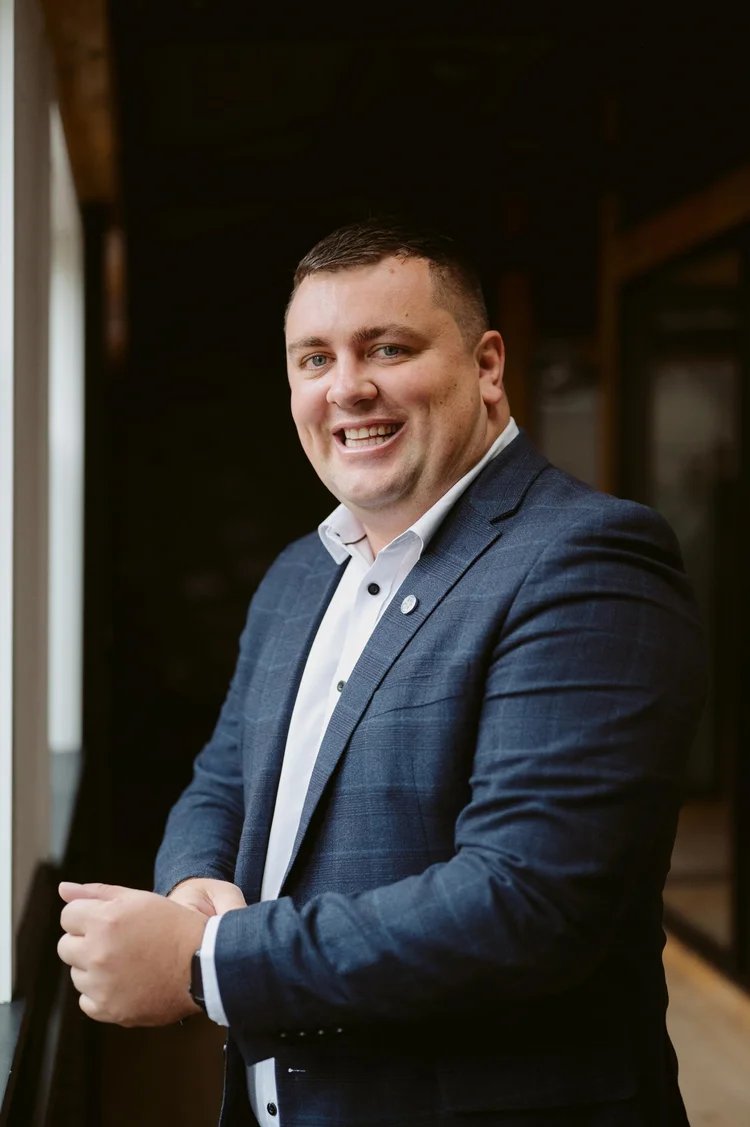 Joey Gregory
What this is
Life insurance pays a lump sum to the people you nominate if you die. That's it. The hard part isn't the product, it's working out how much, for how long, and who it goes to.
We work backwards from what your family would actually need — the mortgage, the years of income, the costs nobody thinks about — rather than picking a round number.
How we help
How we get the cover right.
01
We start with the gap, not the product.
What would actually need covering, and for how long.
02
We shop it properly.
We're not tied to a provider, so we compare on what matters, not just price.
03
We get the ownership right.
Who owns the policy and who's paid out matters more than people realise.
04
We keep it current.
Cover set up before kids, a bigger mortgage or a business isn't the cover you need after.
What it costs you
Nothing.
No — the insurer pays us a commission if you take out cover.
Common questions
Life cover questions, answered.
It depends on your debts, your dependants and how long they'd need support. There's no standard answer, which is why we work it out with you rather than quoting a figure.
Less than most people assume, and it depends heavily on your age and health. We'll get you real numbers before you commit to anything.
Sometimes. It depends on the amount of cover and your history. We'll tell you what to expect up front.
Worth checking what it actually covers and whether it moves with you. Often it doesn't.
No — the insurer pays us a commission if you take out cover.
While we're at it
Cover for dying is only half of it.
Most people are far more likely to be off work for a year than they are to die. Income protection is the other half.