
Key Takeaways
Health insurance for kids in NZ is often an afterthought. Parents insure themselves and plan to add the children later, but children are among the most likely members of a household to need treatment, and timing affects what a policy will cover.
- About 35% of New Zealand adults have private health insurance, but only around 29% of children are insured.
- Common childhood procedures such as grommets, tonsils and adenoids are often treated as elective, which can mean a public wait.
- Adding children while they are healthy usually means fewer exclusions than adding them after a diagnosis.
- Many policies have rules for adding a newborn, and the timing window matters, so check the wording before the baby arrives.
- Children are usually cheaper to cover than adults, and family health insurance can often be structured to suit the household budget.
Why health insurance for kids in NZ matters
New Zealand's public system provides free acute care for children, and that care is excellent when something is urgent. The gap appears with planned, non-urgent treatment. Procedures like grommet insertion or a tonsillectomy are important for a child's hearing, sleep and development, but they are generally scheduled rather than urgent, so they join the elective queue.
According to research by MartinJenkins for the Financial Services Council, about 35% of adults hold private health insurance while 29% of children were insured (reported by Chatswood, August 2026). That gap suggests plenty of insured parents have not added their children to the policy.
The most likely claimers in the house
Children see the doctor often, pick up ear and throat infections, and are busy, active and occasionally fearless on the trampoline. Accidents are generally covered by ACC, but the specialist appointments, scans and elective surgery that follow some childhood conditions are where health insurance usually earns its keep.

Common childhood procedures and claims
Every child is different, but the same handful of conditions come up again and again for New Zealand families.
Grommets
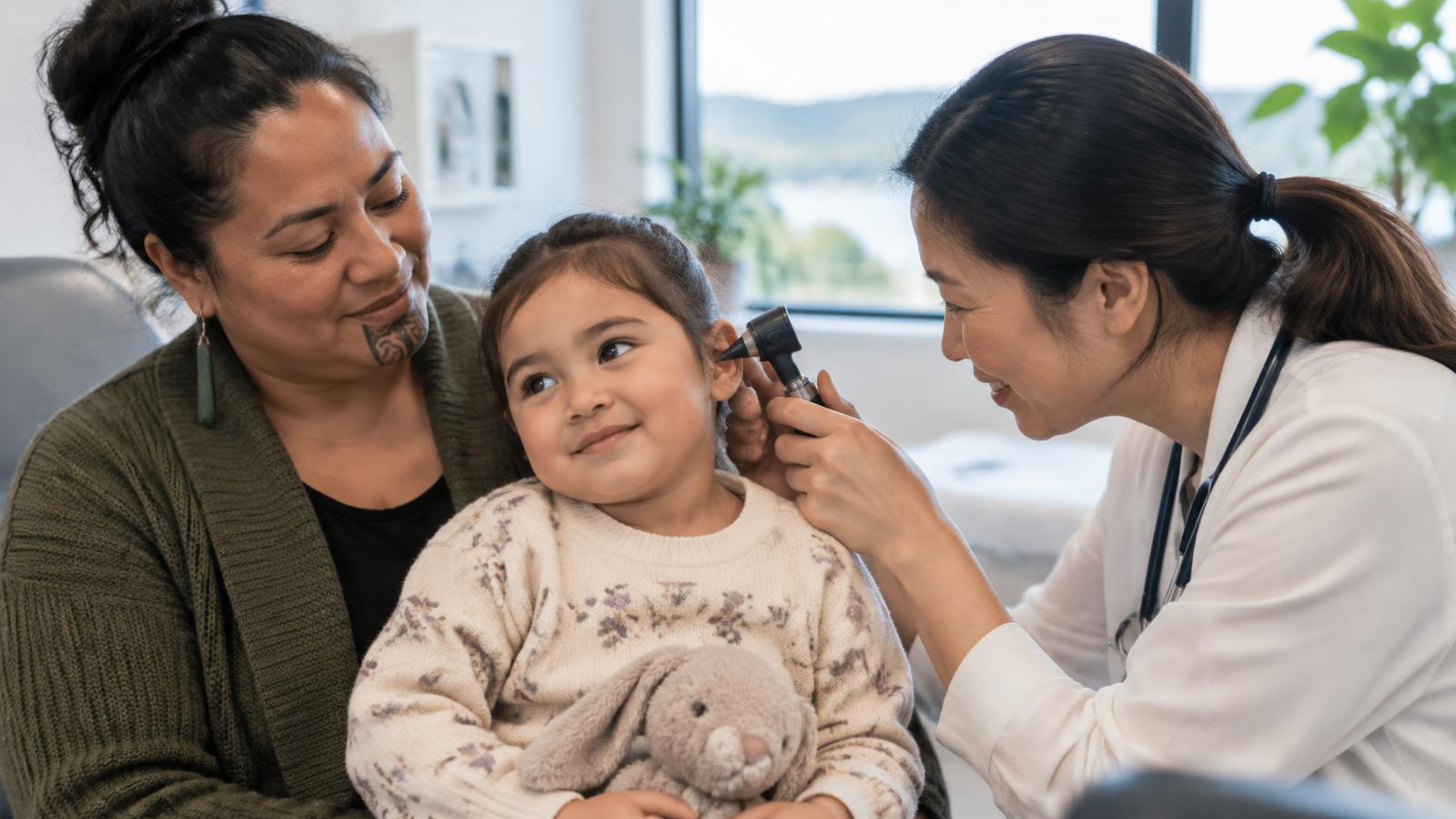
Grommets are small tubes placed in the eardrum for glue ear that will not clear or for frequent ear infections. The operation is short and children usually go home the same day, according to KidsHealth NZ. Some children need a second set later, sometimes with their adenoids removed at the same time.
Tonsils and adenoids
Repeated tonsillitis or enlarged tonsils and adenoids that affect breathing or sleep can lead to surgery. These procedures are common, planned and can involve a wait in the public system.
Specialist visits and tests
Before any surgery there is usually a paediatric or ENT specialist appointment, hearing tests or scans. Whether those costs are covered depends on whether the family policy includes specialists and tests.
Other common reasons families claim
Fractures that need surgery, appendix and hernia operations, allergy and asthma investigations, and dental or orthodontic surgery under general anaesthetic can all feature, depending on the policy and the options chosen.
| Situation | Public system | Where family health insurance may help |
|---|---|---|
| Urgent illness or injury | Free acute care | Usually not needed for the emergency itself |
| Accident (e.g. broken arm) | ACC contributes to treatment | May cover private costs beyond ACC, depending on the policy |
| Grommets, tonsils, adenoids | Elective, may involve a wait | Private surgery, subject to approval and policy terms |
| Specialist and tests | Referral, may involve a wait | Covered if specialists and tests are included |
| GP and day-to-day costs | Partly subsidised | Only if a day-to-day option is added |
When to add children to family health insurance in NZ
The simple answer is while they are healthy. When you apply, the insurer assesses each person's health history. If a child already has a diagnosed ear, throat or breathing issue, that condition can be excluded from cover, sometimes permanently and sometimes for a set period.
Adding a baby to health insurance in NZ
Many policies allow parents to add a newborn within a set number of days or months after birth, and some do so with little or no health assessment if the parents already hold cover. The rules vary widely, so check the newborn provisions on your policy, ideally during the pregnancy, and diarise the deadline. Missing the window can mean full underwriting later.
Adding children later
Older children can still be added, but the insurer will usually ask health questions. Anything that has already needed treatment may come back as an exclusion. This is why adding kids before something is diagnosed usually gives the best result.
How much does child health insurance cost?
Children are usually much cheaper to cover than adults, because premiums are largely based on age. On many family policies the additional cost of adding a child is modest compared with an adult premium, though the exact amount depends on the insurer, the level of cover and the options chosen. For a fuller look at pricing factors, read our guide on how much health insurance costs in NZ.
Ways to keep family cover affordable
- Choose a sensible excess you could comfortably pay if a child needed treatment.
- Prioritise surgical and specialist cover over day-to-day extras.
- Check whether your employer's group scheme allows you to add family members.
- Review the policy each year as the children grow and your budget changes.
If you are deciding on an excess level, our guide to choosing your health insurance excess explains the trade-offs.
What to check on a family health insurance policy
- Newborn rules: how long you have to add a baby and whether health questions apply.
- Specialists and tests: whether ENT and paediatric consultations, hearing tests and scans are included.
- Stand-down periods: some benefits may not apply for a period after a child is added.
- Limits: annual or per-procedure limits for surgery and specialists.
- Exclusions: any conditions excluded for a child, and whether those exclusions can be reviewed later.
- Group scheme rules: whether family members can stay on cover if a parent changes jobs.
Pre-existing conditions are one of the biggest variables. Our guide to pre-existing conditions and health insurance covers how insurers assess them.
Family health insurance through each stage of childhood
What a family needs from health insurance tends to change as children grow, so it is worth reviewing the policy at each stage rather than setting and forgetting.
Babies and toddlers
The first years bring frequent GP visits, ear infections and the first referrals to specialists. This is when newborn rules matter most, and when adding a child before anything is diagnosed makes the biggest difference to future exclusions.
Primary school years
Grommets, tonsils and adenoids are most common in this age group, along with sports injuries and the occasional fracture that needs surgery. Specialists and tests cover is often valuable here because so many problems start with an ENT or paediatric referral.
Teenagers
Sports injuries, orthopaedic issues and growing independence change the picture again. Check how long children can stay on a family policy, what happens when they turn a certain age, and whether they can move onto their own policy without new health questions.
What if your child is already on a public waiting list?
If your child has already been referred for surgery, a new health policy will usually treat that condition as pre-existing and exclude it, so health insurance is unlikely to speed up that particular procedure. Cover can still be worthwhile for siblings and for future, unrelated conditions. Keep in touch with your GP if symptoms get worse while you wait, as clinical priority can be reassessed.
How SHARE - The Advisory can help
We help families work out whether their children are covered, compare family health insurance options across insurers, and explain newborn and pre-existing condition rules in plain English. If a claim comes up, we can help with pre-approval and paperwork. Learn more about our health insurance advice or contact us to have your current policy reviewed.
Conclusion
Health insurance for kids in NZ is easy to overlook, yet children are often the family members most likely to need specialist care or a planned procedure. Grommets, tonsils and adenoids are a normal part of childhood for many Kiwi families, and the timing of cover affects what is included.
If your children are not on your policy, find out what adding them would involve while they are healthy, and check the newborn rules before a new baby arrives. This article is general information only and is not personalised advice.
Frequently Asked Questions
Is it worth getting health insurance for kids in NZ?
For many families, yes. Common childhood procedures like grommets and tonsillectomies are usually elective in the public system, and children are generally cheaper to insure than adults.
When should I add my baby to my health insurance?
Check your policy's newborn rules during the pregnancy. Many policies allow you to add a newborn within a set window, sometimes with little or no health assessment, but the window and conditions vary.
Does health insurance cover grommets in NZ?
Many health policies cover grommet surgery, subject to the policy terms, prior approval and any exclusions. If a child already has diagnosed glue ear when added, the condition may be excluded.
How much does it cost to add a child to health insurance?
The cost depends on the insurer, the level of cover and the options chosen. Children usually cost much less to cover than adults.
Can my kids be covered on my work health insurance?
Some employer group schemes let you add a partner and children, sometimes at your own cost. Check the scheme rules and what happens to family cover if you leave the job.